Wake-up Service, 3 September 2026

Good morning! The seventh festival day has arrived, and once again Utrecht is filled with the sounds of early music. The Concert Camper is back at the Neude today, featuring, among others, Emmanuel Frankenberg & Nick Milne, Alba Villar, Ensemble Masques, Euphoria Barock and Ensemble Odyssee. This time, a little later in the day: from 12:20 to 20:00. Grab a spot on a terrace and enjoy!


Recap

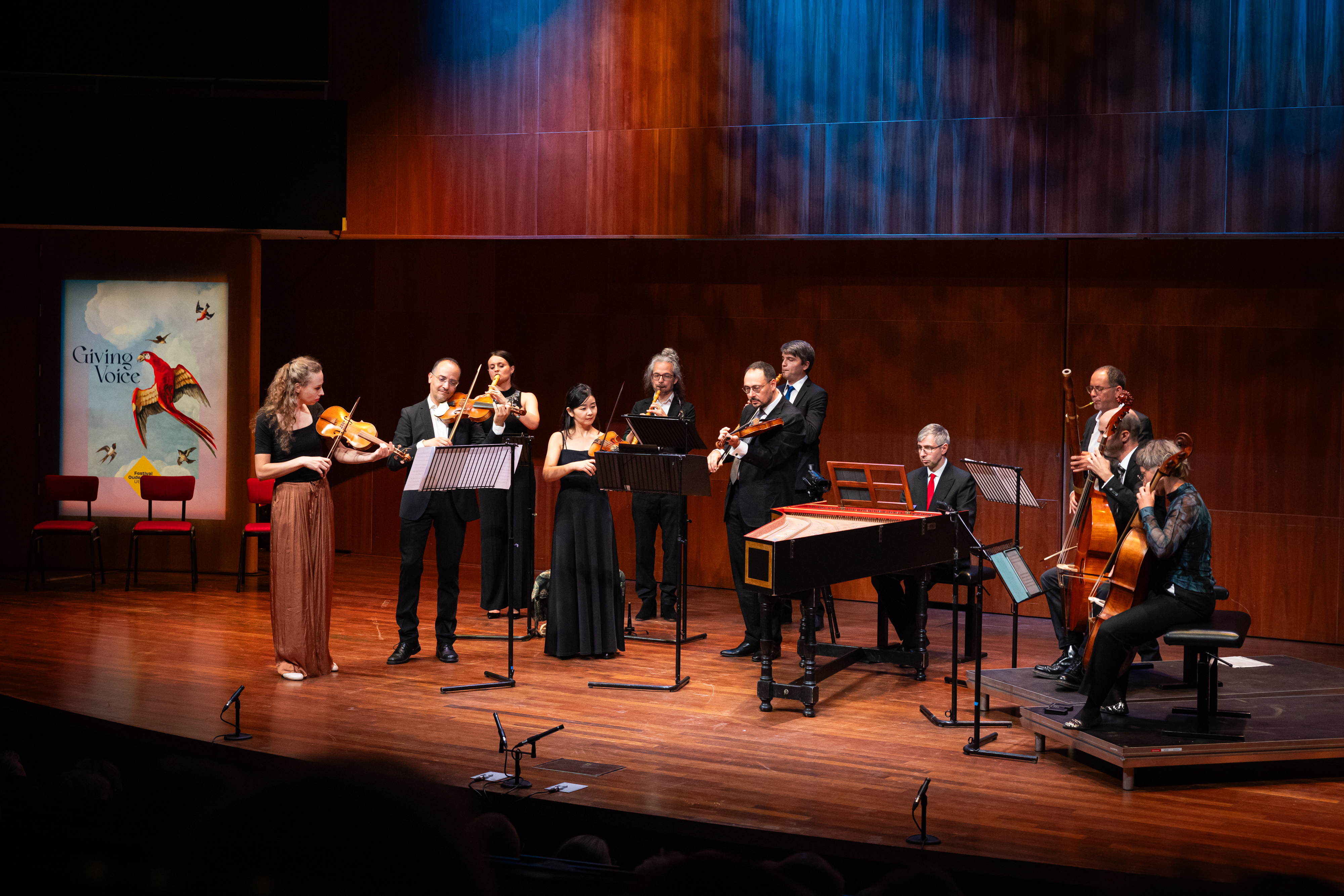
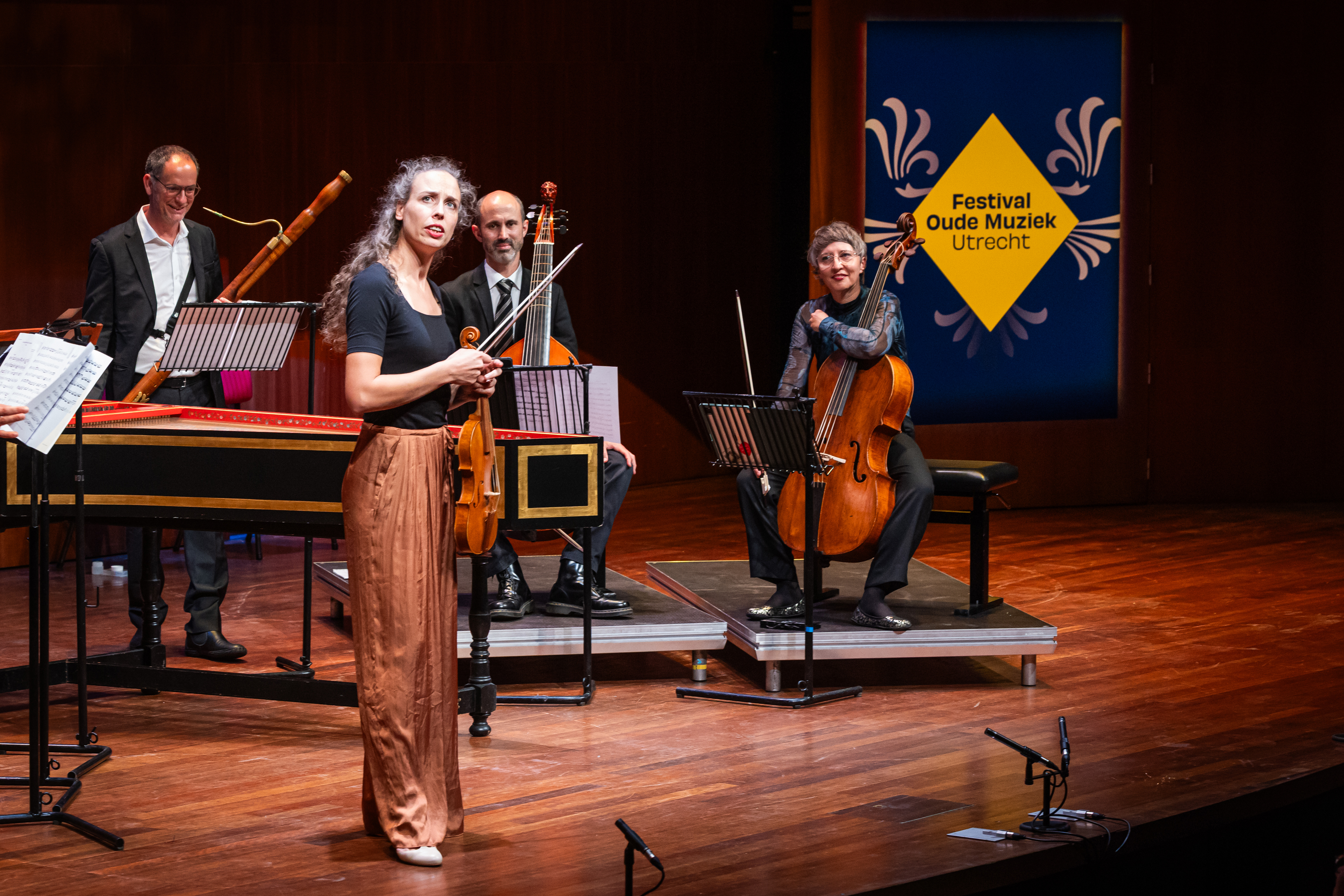
Yesterday, we enjoyed French theatre without spoken words, performed by the instrumentalists of Ensemble Odyssee, while La Tempête gave their second festival concert of the year, this time in the Jacobikerk. The day came to a festive close with a coronation in Venice in 1595, where musical exuberance and ritual came together.

The official FOMU26 playlist

The Voice Today...

What is a voice? A person singing, an instrument speaking, different voices coming together as one sound… A voice can take many forms. Inspired by the theme Giving Voice, each day in this wake-up service we highlight a different expression of the voice. Today, the voice that allows you to speak your own language through music.

Josef Žák, one of this year’s artists in residence with his Ensemble Castelkorn, knows better than anyone that a voice does not necessarily have to come from a mouth. As a violinist, he seeks to give his instrument a voice: not only through the notes he plays, but also through the way he makes them sound. For Žák, music is even the deepest form of communication. “In music, I can say something without having an accent,” he says.

That idea also lies at the heart of his work with Ensemble Castelkorn. Žák was born in the Czech Republic, but it was only after moving abroad that he truly discovered the music of his homeland. In Paris, he began exploring the musical treasures of Bohemia and Moravia. The collection of the Archbishop’s Palace in Kroměříž made a particular impression on him: a rich trove of seventeenth-century music that still reveals new stories.

Today, Ensemble Castelkorn brings together music by Heinrich Ignaz Franz Biber and Leoš Janáček. Two composers from different eras, both inspired by the folk music of Moravia. While Biber incorporated this music in an earthy and dance-like way, Janáček sought its human and almost spiritual depth.

For Žák, the dialogue between these two worlds is what makes the programme so intriguing. He creates his own arrangements and trusts his intuition for the music of his homeland. Sometimes, he hears something familiar in an old composition - something that seems to have been part of his own musical language all along.

Today, early music is given a new voice: that of the composer, the tradition and the performer. Josef Žák adds his own voice to the mix, showing how music can still speak to us, centuries later.
Improvised voices

Today we continue our Notre-Dame de Paris series. Around 1200, a new form of polyphony emerged in Paris, eventually leading to the complex polyphony of composers such as Leoninus and Perotinus. But what we know of this music is only part of what must actually have been heard. Much of the music was never written down.

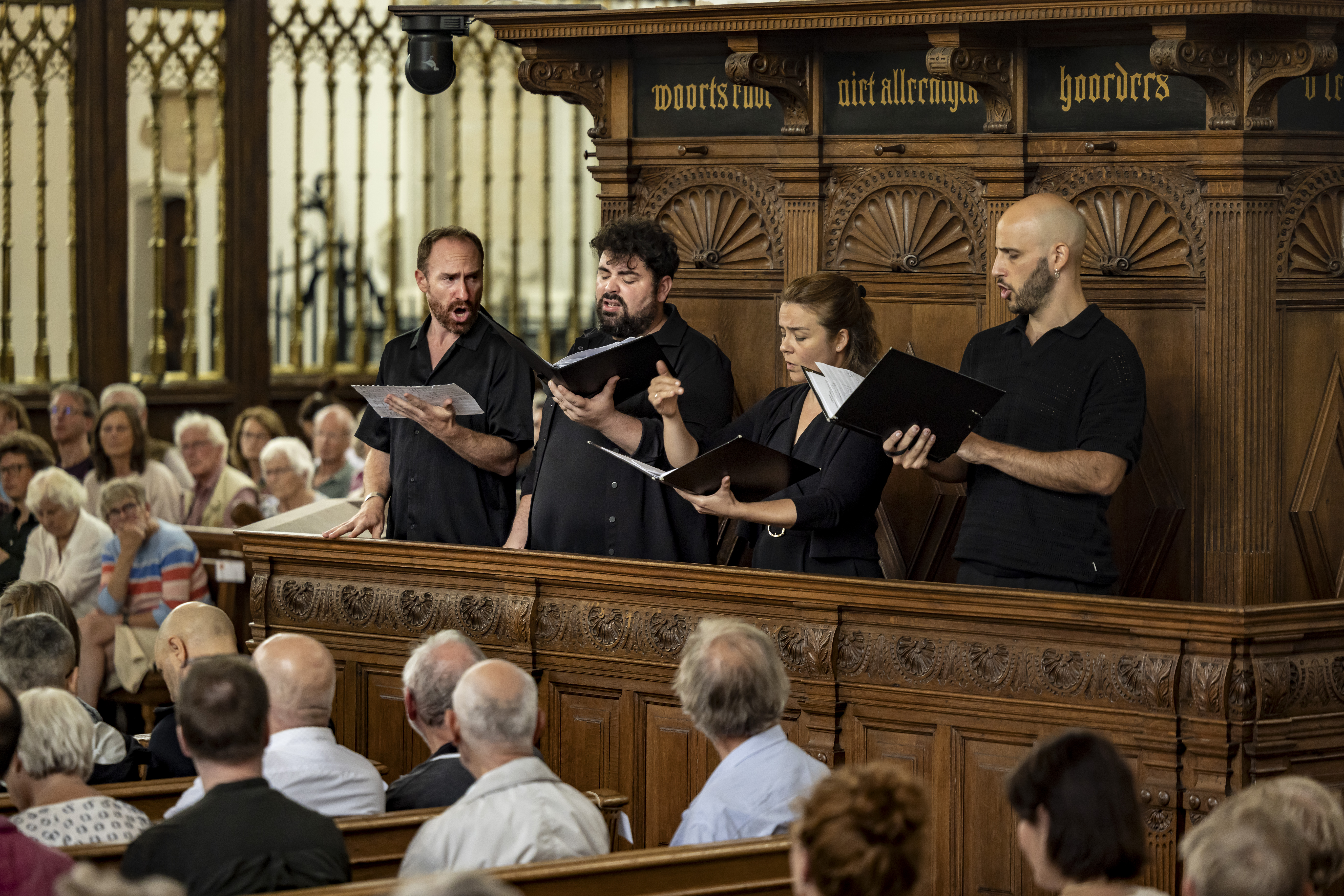
This is also true of the improvisational practice at the heart of Per-Sonat’s programme. Drawing on a thirteenth-century treatise, the musicians reconstruct how singers could improvise a second voice above a Gregorian melody. Alongside works by Leoninus and Perotinus, they create music that was not written down centuries ago, but is improvised anew today.

In doing so, Per-Sonat reveals what lay behind the written music of the Notre-Dame school: a living, flexible practice in which not everything was predetermined.

The Voice That Remained

At the beginning of the twentieth century, something remarkable was captured in Rome: the voice of Alessandro Moreschi, the last castrato of the Vatican. He was recorded on wax cylinder in 1902 and 1904. Thanks to these early recordings, we can still hear today what a voice that had long been an important part of the music of the Sistine Chapel sounded like.

But Moreschi’s recordings tell us not only about what has been preserved. They also remind us of a sound world that has almost entirely disappeared. For centuries, the castrato voice was closely associated with Catholic church music, but over the course of the nineteenth century it became an anachronism. Moreschi’s voice therefore sounds both close and unreachable: a real recorded voice that allows us to hear something we can never fully reconstruct.

This tension forms the starting point for Becoming Moreschi by Graindelavoix. Drawing on repertoire from and around the Sistine Chapel, the ensemble brings together music by Palestrina, Victoria and Allegri, among others, with original recordings. Rather than presenting a straight line through music history, the programme creates a constellation of voices, memories and vanished sounds.

Tonight at 20:00 in the Grote Zaal of TivoliVredenburg, Graindelavoix explores what happens when we try to make such a lost voice audible once again.

Also on today’s programme…

Tenebrae Choir performing Byrd’s Mass for Five Voices, tension in Bertrand Cuiller’s harpsichord recital, setting Byrd against Ligeti, an Italian walk with Ayrton, Coolen & Zipperling, and much more…

Today on EMTV

With Early Music Television, you can watch live concerts from Festival Oude Muziek Utrecht 2026 from the comfort of your own home. Today: Tenebrae Choir & Graindelavoix

IVWC Finalists

Yesterday, the semi-final of the International Van Wassenaer Concours 2026 took place. The following ensembles will return tomorrow for the final (reserve your ticket now!):

  • InterLineas
  • La Capriola
  • Matica de Flor

Today, the semi-finalists who unfortunately did not make it through to the final will take part in masterclasses led by the jury members. Free admission at the Doopsgezinde Kerk, from 10:00 onwards.