Wake-up Service, 5 September 2026

Welcome to day 9 of Festival Oude Muziek Utrecht. The penultimate day has arrived, but there is still plenty to experience. Today’s programme is once again packed with special concerts, surprising discoveries and, of course, lots of early (and Romantic!) music.

The Concert Camper will be at COA Joseph Haydnlaan today, with concerts by Adriel Glez, Patrick Ayrton & Saskia Coolen and Ensemble Masques.

Recap

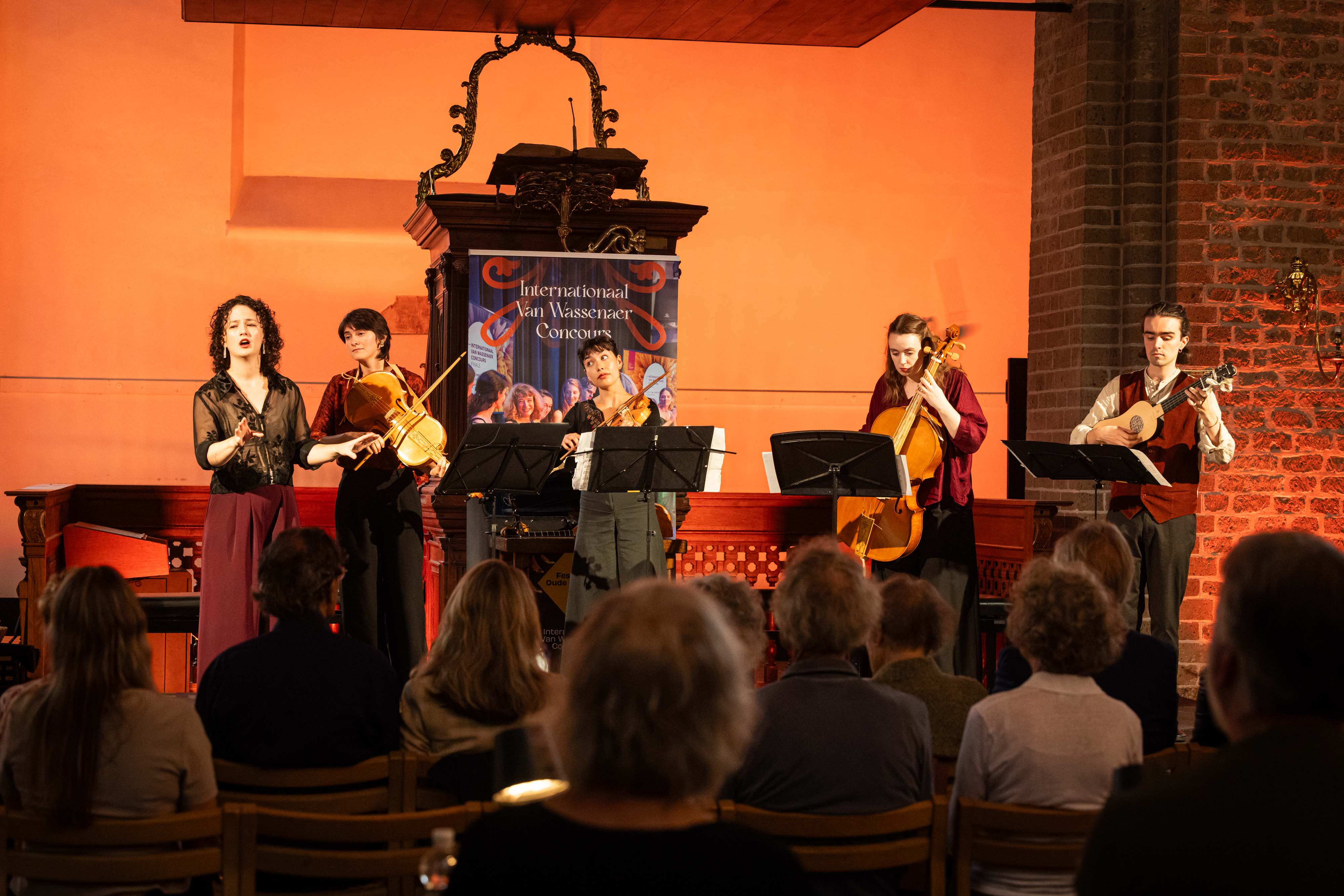
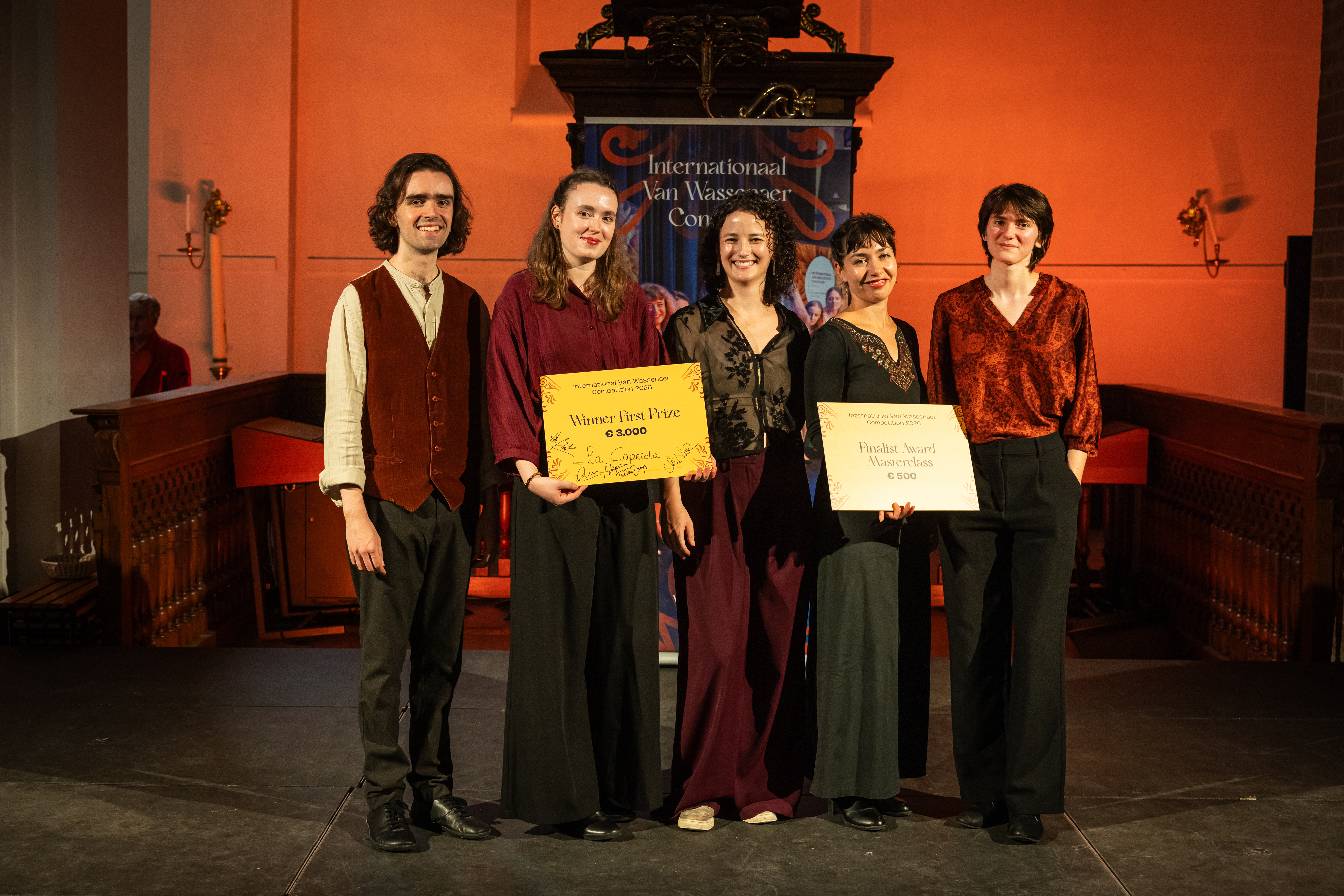
Yesterday, we heard, among others, Notre-Dame organist Vincent Dubois on the Bätz organ in the Dom Church, while Sophie de Bardonnèche, Justin Taylor and Lucile Boulanger brought music by ‘mademoiselles’ who had long been forgotten back to life. And, of course, the final of the International Van Wassenaer Competition also took place! La Capriola took home the first prize, while Matica de Flor won both the audience prize and the FOMU Prize.

The official FOMU26 playlist

The Voice Today...

What is a voice? A person singing, an instrument speaking, different voices coming together as one sound… A voice can take many forms. Inspired by the theme Giving Voice, each day in this morning reflection we explore a different aspect of the voice. Today, the voice as a phenomenon.

Some voices are more than just sound. They become a sensation, an object of admiration, and even a legend. Such was the case with Laura Peverara, a singer and harpist at the Gonzaga court in Mantua, and later one of the stars of the famous Concerto delle donne at the court of Ferrara.

When Peverara performed for the Accademia Filarmonica in Verona in 1580, her performance must have made a profound impression. The young singer was honoured with a remarkable collection of twenty-two madrigals written especially for her. The texts speak volumes: Laura is celebrated as a ‘true goddess’, a heavenly diva. A veritable cult grew up around her voice. Composers such as Giaches de Wert, Luca Marenzio and Luzzasco Luzzaschi wrote music for her, poets dedicated verses to her, and her performances were described in meticulous detail.

One of the most evocative accounts comes from the poet Orsina Cavaletta. She describes how Laura removes her perfumed gloves, takes the harp against her breast and begins to sing. It is almost a cinematic moment: before a single note has sounded, the listener is already captivated by the singer’s presence.

But who was Laura, really? That is precisely where the mystery lies. We know much about the cult surrounding her, but far less about her own voice and musical practice. Her name was eventually overshadowed by that of the Concerto delle donne, of which she was a member alongside Livia d’Arco and Anna Guarini. After her last known performance in 1598, Laura withdrew from public life. She died three years later.

Today, RossoPorpora seeks to give her a place once again. In Diva Laura, music from the circles surrounding this extraordinary singer and harpist brings the world around her voice back to life. Four centuries later, they follow the echo of her voice. Who was the woman behind the diva? And what must it have sounded like when Laura took her harp against her breast and began to sing?
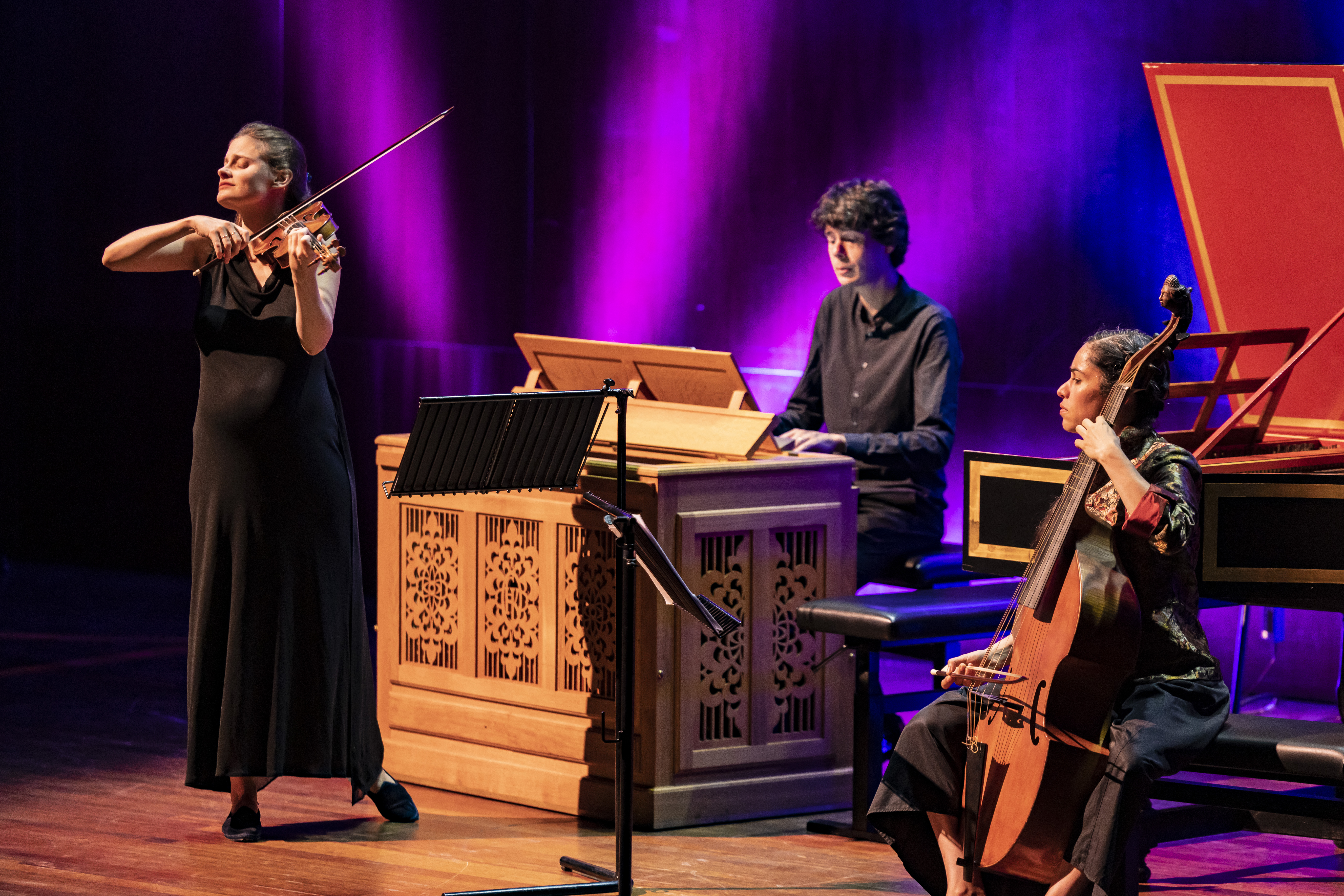
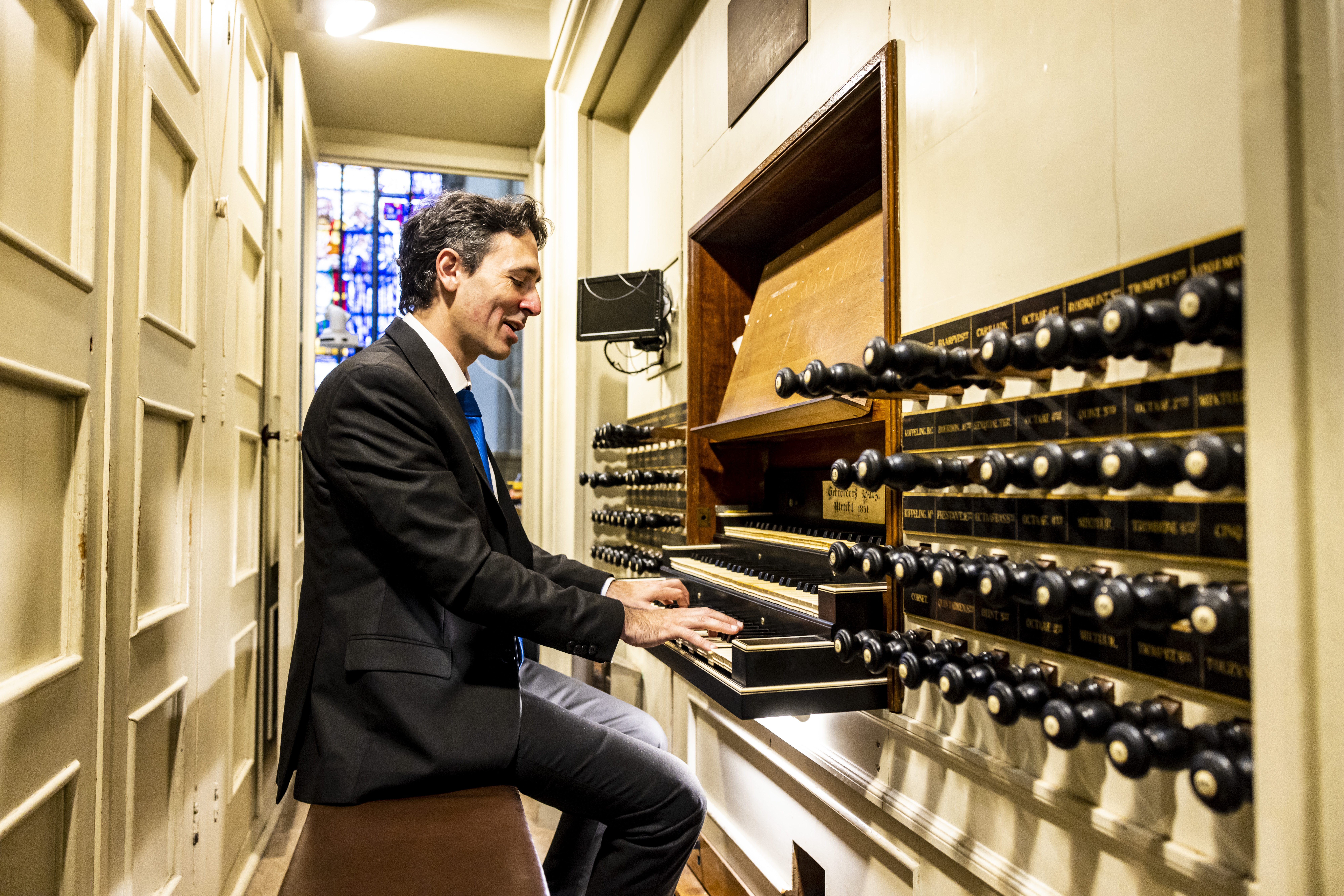
The Late Collection – Beyond the Baroque

Early music does not stop with Bach. With The Late Collection, we explore repertoire from after the Baroque period, with a particular focus on Romanticism. Historical instruments, new research and surprising timbres bring the music of this period to life once again.

Across three concerts, the programme features, among other works, the historical clarinet repertoire of von Weber and Baermann, the underappreciated composer Chevalier de Saint-Georges, and Lord Byron’s Manfred. The musicians explore how historically informed performance practice can offer a fresh perspective on music that has long been regarded as weighty and serious.

The Late Collection also offers opportunities for deeper exploration: conversations hosted by Simon Mulder with the musicians provide insight into their research, instruments and artistic choices. In this way, both familiar and lesser-known Romantic repertoire is given a surprising new voice.

From Sophocles to Gabrieli

What happens when an ancient Greek tragedy is brought back to life almost two thousand years later? Ensemble Melpomen brings Sophocles’ Oedipus Tyrannus together with the music Andrea Gabrieli composed in 1585 for Edipo tiranno, the inaugural production at the Teatro Olimpico in Vicenza.

In this remarkable programme, two worlds meet. Gabrieli’s choral music is performed alongside a reconstruction of possible ancient Greek sounds, featuring instruments such as the aulos, harp, tympanon and sistrum. Two dancers add the movement and gestures that played such an essential role in Greek tragedy.

Oedipus’ story thus unfolds not only as an ancient tragedy, but as a Gesamtkunstwerk of text, music, movement and scenography. A journey from Sophocles’ Athens, through Gabrieli’s Renaissance Vicenza, to the present day.

Also on today’s programme…

Among others: Le Poème Harmonique with Vivaldi, Ensemble Castelkorn with Schmelzer, and Doubijanski with Byrd & J. C. Bach.

Today on EMTV

With Early Music Television, you can watch live concerts from Festival Oude Muziek Utrecht 2026 at home. Today: ĀRT HOUSE 17’s 'early musical' Arlecchina and Vivaldi by Le Poème Harmonique.

Tip

Don’t forget about the Early Music Exhibition! It’s open today from 10:00 to 17:00 at Plein 6 in TivoliVredenburg. Perfect for browsing between concerts!