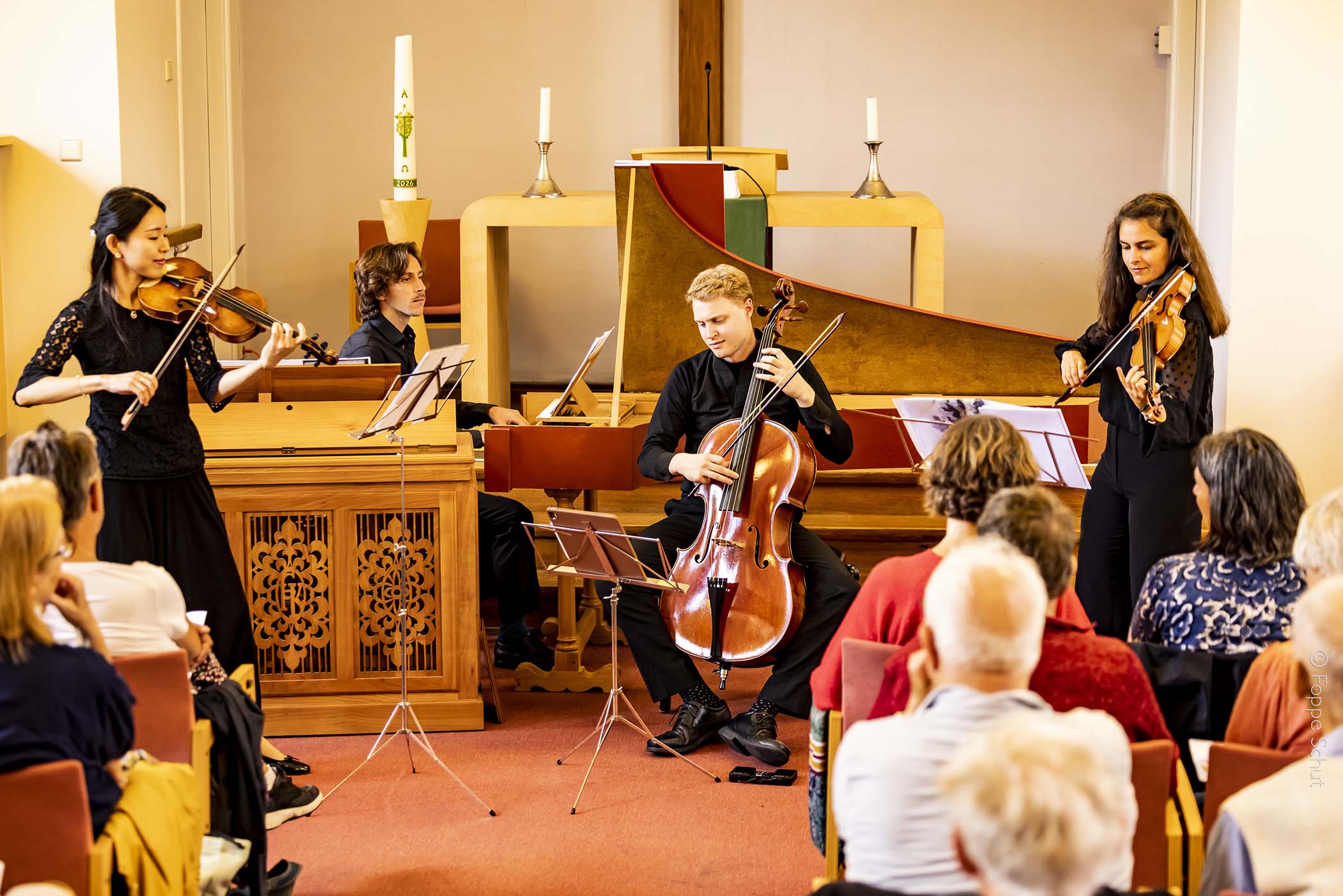
Good morning! It’s day 5 of Festival Oude Muziek Utrecht 2026, which means we’re already almost halfway through… But don’t worry! There are still many wonderful concerts to come. Today’s programme includes ongehoorde stemmen, Handel, and sounds from European monasteries at the dawn of polyphony.
NB. Due to technical difficulties the morning programme of the Concert Camper has unfortunately been cancelled. Keep an eye on this page for updates on today’s programme.
Recap
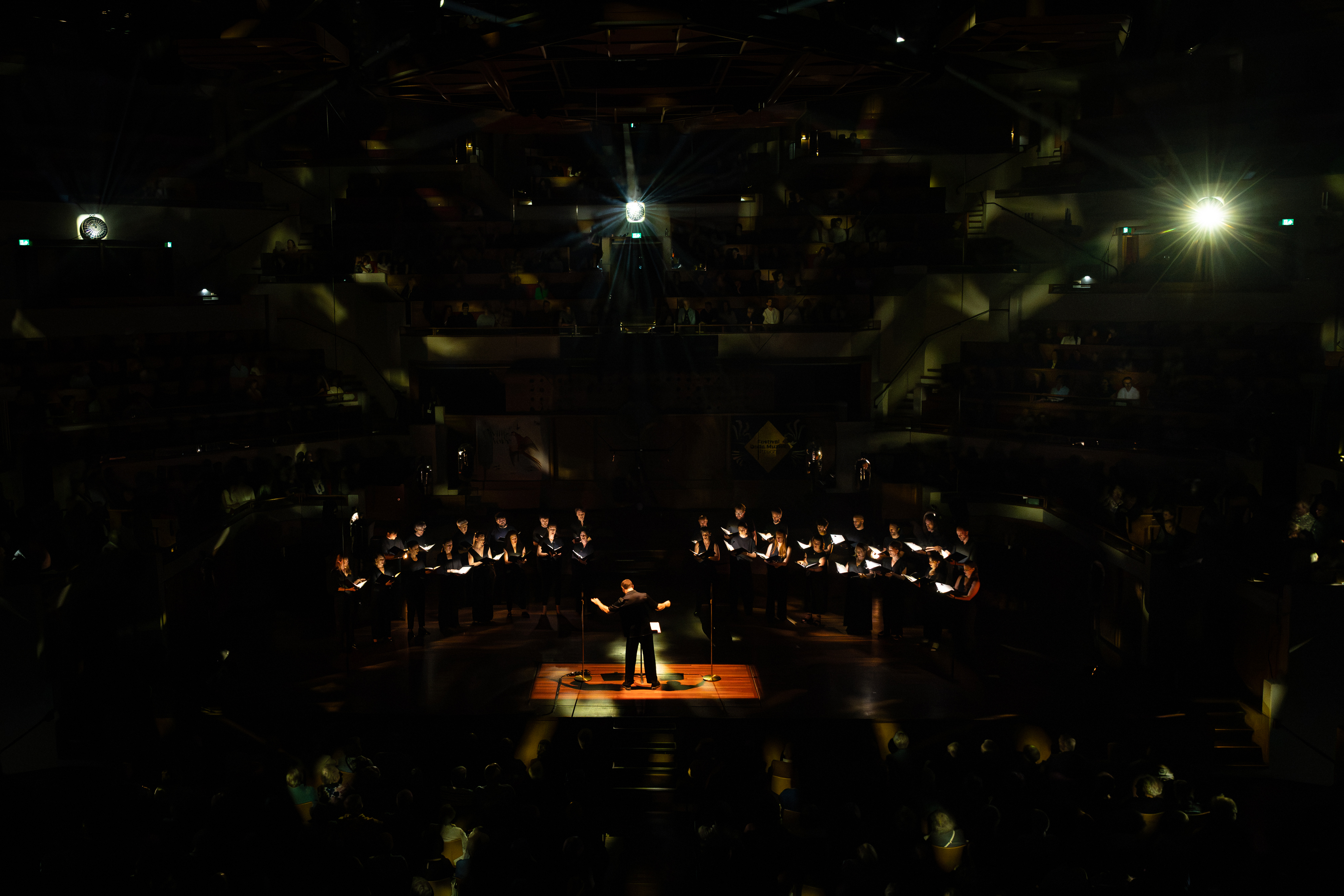
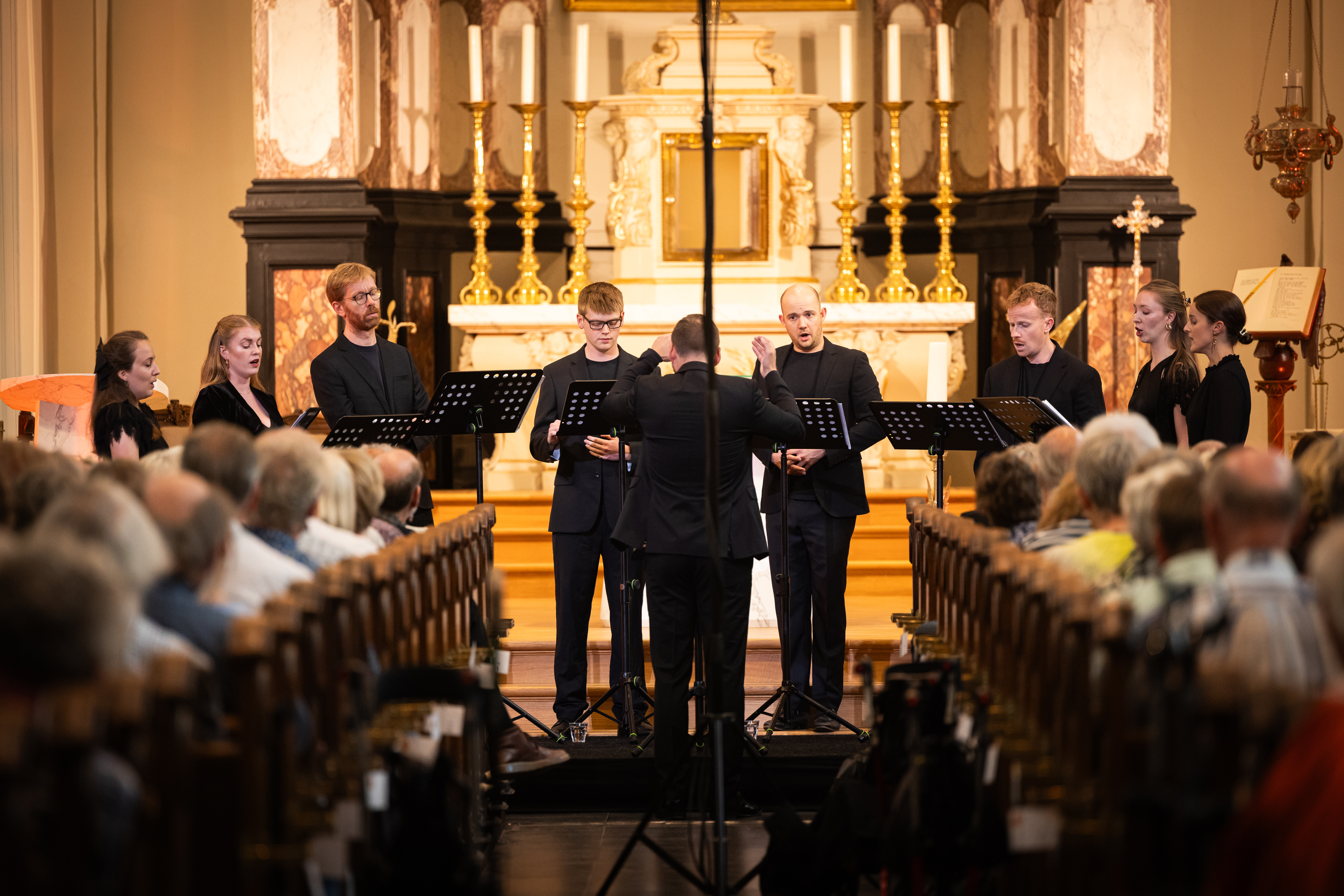
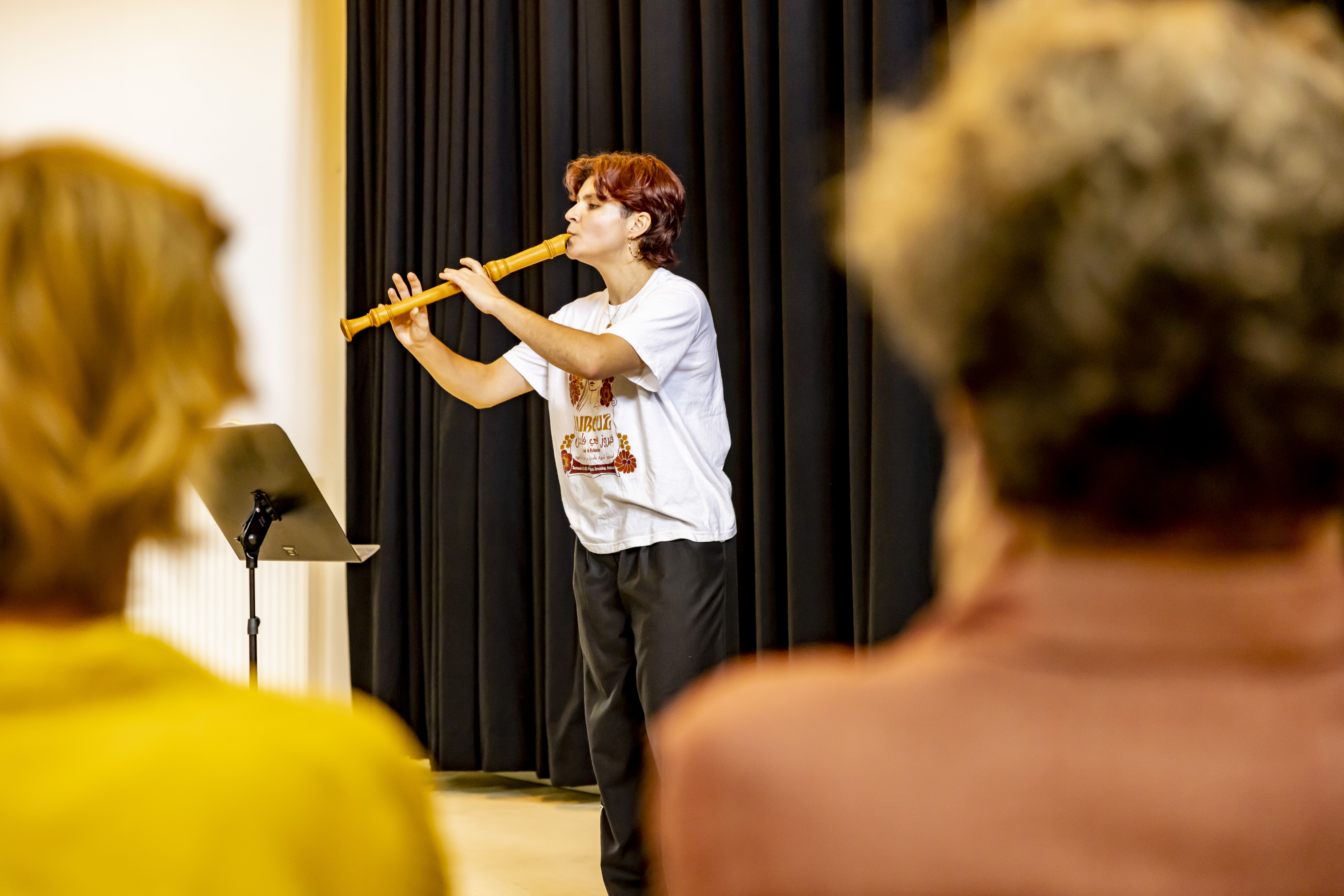
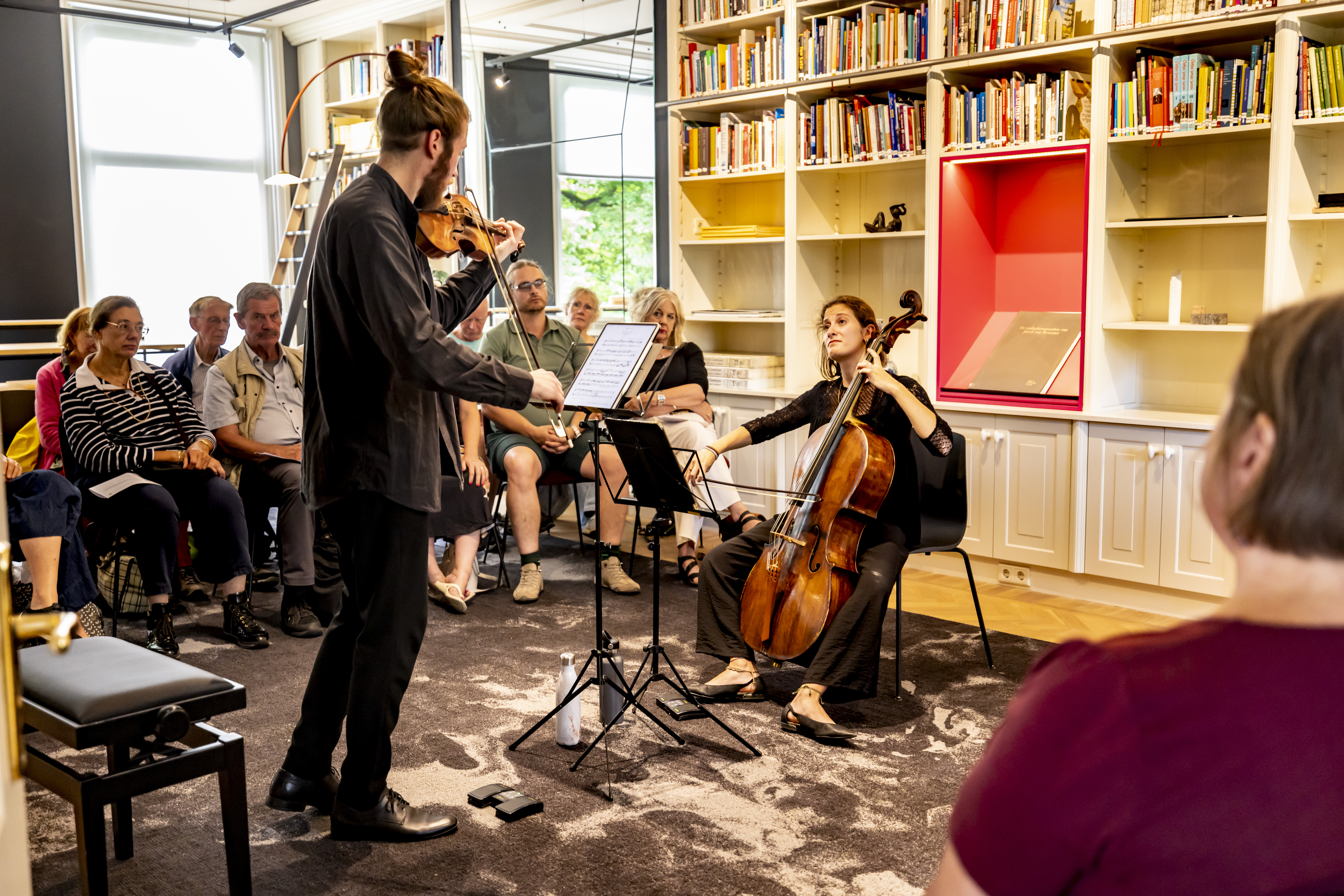
Yesterday was once again a day full of impressions, including the first The Singing Byrd concert by The Marian Consort, Fringe in Lombok and at the K.F. Hein Fund library, and holding on to hope during La Tempête’s nocturne.
The Voice Today...
What is a voice? A person who sings, an instrument that speaks, different voices coming together to form a single sound… A voice can take many forms. Inspired by the theme Giving Voice, each day in this morning newsletter we highlight a different way of using the voice. Today, the voice that refuses to be confined to a single box.
Those who took to the stage in the Baroque era did not always conform to the boundaries we take for granted today. Men sang female roles and appeared in dresses, women portrayed male heroes, and castrati could embody both male and female characters. The voice made it possible to take on another identity – and audiences accepted this as part of the world of theatre.
This makes Baroque theatre surprisingly relevant today. What happens when a voice, a body or a character does not quite fit the expectations we attach to it? Over the Rainbow deliberately explores that space. The production takes a queer perspective on Baroque music, while also asking how much freedom there really is in the way we experience a classical concert.
Because the concert itself has a history, too. The way we listen to classical music today – sitting still, listening, watching, applauding at the appropriate moment – is not timeless, but took its present-day form largely in the nineteenth century. Over the Rainbow shows that things can be different. Baroque music played on historical instruments is combined with costumes, dance, acrobatics and contemporary voices. Around 250 members of the inclusive The Space Choir take to the stage together. Their voices form not only a large musical ensemble, but also an image of what can emerge when many different people literally and figuratively make their voices heard together.
And the production goes beyond the voice alone. The music becomes part of a moving whole, with choreography by the renowned Antwerp-based artist Sidi Larbi Cherkaoui. Bodies, voices and music come together and influence one another. In doing so, the traditional divide between listening and watching, between concert and theatre, is also broken down.
Perhaps the voice is the perfect instrument for this. A voice has no fixed appearance. It can sound masculine or feminine, high or low, powerful or vulnerable – and sometimes escape all of these categories at once. In the Baroque era, the voice already had the power to blur the boundaries between characters and identities. Centuries later, we can listen to that freedom once again.
The rainbow in the title has become a worldwide symbol of diversity, pride and equality. But above all, it represents the hope of a place where everyone can feel at home. Over the Rainbow invites us not only to look for that place in some distant future or somewhere over the rainbow, but also right here: in the concert hall, where hundreds of voices, different bodies and diverse forms of expression come together and take up space.
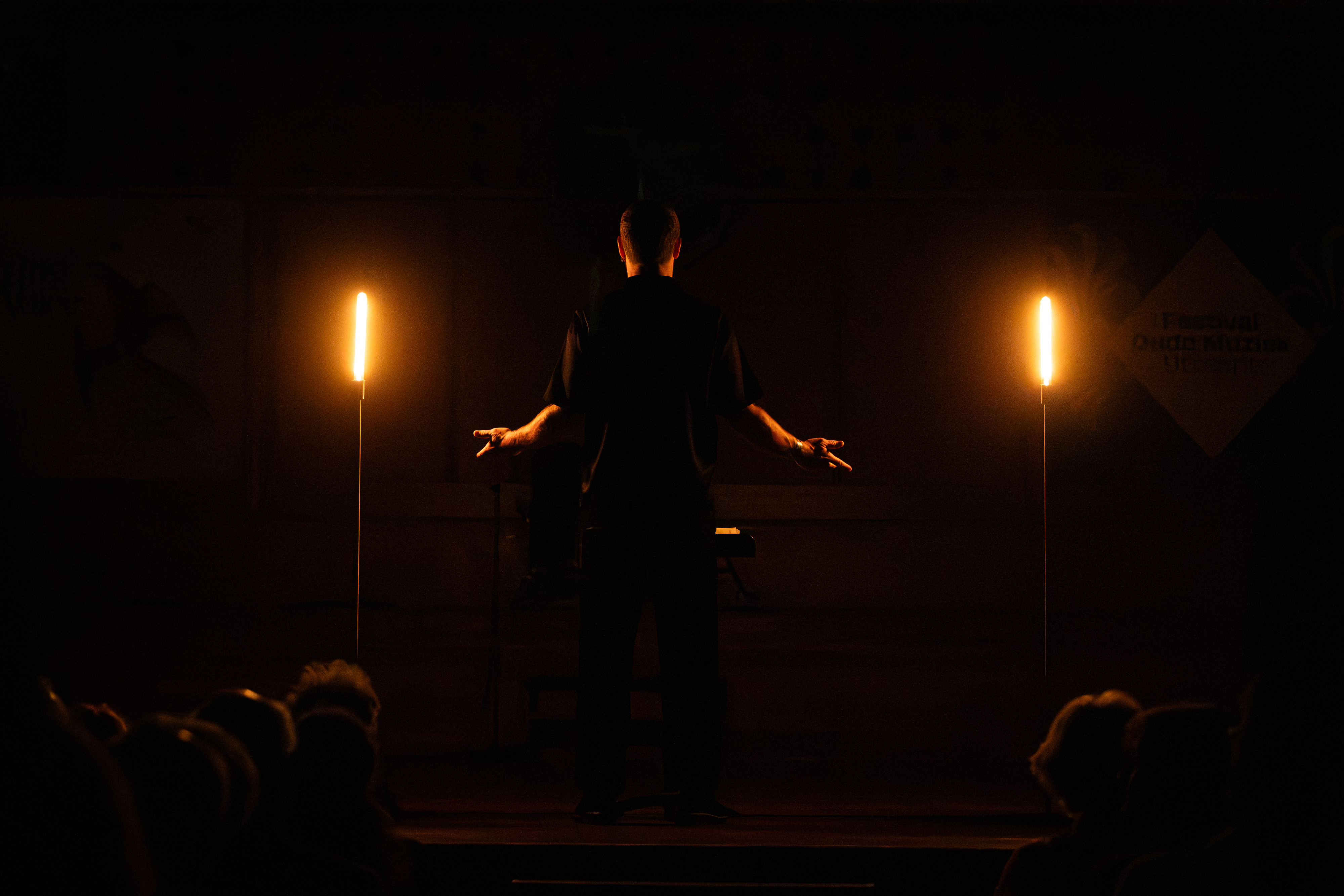
From One Voice to Many
For centuries, European monasteries were filled primarily with a single voice: Gregorian chant. Around the year 1000, something revolutionary happened. Singers began adding a second voice to the existing melody. Thus emerged organum, an early form of polyphony that would forever change the course of music history.
Today, Ordo Virtutum traces this development. From the monasteries around Lake Constance, via Chartres and Santiago de Compostela, the musical journey leads to Paris. There, around 1200, Notre-Dame would become one of the most important centres of early polyphony. Composers such as Leoninus and Perotinus developed new ways of weaving different melodic lines together. What had begun as a simple addition to a Gregorian melody grew into a virtuosic and complex art form.
Ordo Virtutum thus presents not only music from different centuries, but also a musical evolution: from one voice to many. The concert forms one of the early chapters in the festival series Music in Notre-Dame de Paris, which continues to trace the story of Parisian polyphony – from its medieval roots to music that, centuries later, is still inspired by this tradition.
Love, Jealousy and a Cyclops
In Acis and Galatea, Handel turns an ancient myth into a tender and dramatic tale of love, jealousy and loss. The shepherd Acis and sea nymph Galatea fall in love, but the jealous Cyclops Polyphemus destroys their happiness. Yet the story does not end with death: Galatea transforms Acis into an eternal spring, allowing him to live on in nature. Today, Ensemble Masques brings Handel’s exquisite pastoral masque to life, where music, poetry and theatre come together to tell a timeless story of love that proves stronger than death.
Also on today's programme…
Highlights include the second instalment of the Singing Byrd series, performed by the young Brits of The Lyons Mouth; Bach on viola da gamba with Teodoro Baù and Andrea Buccarella; and a duel between the heart and the head with La Néréide.
Today on EMTV
With Early Music Television, you can watch live concerts from Festival Oude Muziek Utrecht 2026 from the comfort of your own home. Today: The Lyons Mouth and ĀRT HOUSE 17 & Friends.
More than just music
Did you know that every 20:00 hrs-concert at TivoliVredenburg is preceded by an introduction in the Fentener van Vlissingenfoyer by musicologist Annelies Andries? She takes you through all the ins and outs of the music featured in the programme in the Grote Zaal. Looking for even more context after the concert? In the Q&As after the concert, Stef Grondelaers talks to the musicians about their experiences. Today, dramaturg Thomas Höft will be talking about Over the Rainbow.
We use cookies to ensure that we give you the best experience on our website. You can specify your preferences below. Read more in our privacy statement.
Functional cookies
These cookies ensure the proper functioning of the website (e.g. cookies for login or for remembering items in the shopping cart).
Analytical cookies
We use cookies for web analysis and optimization of the user experience on the website. Cookies are set in order to detect discrepancies on the site, such as broken links and accessibility errors, and to analyze how users use the site.
No results found.