It’s Sunday morning, August 30, and day 3 of Festival Oude Muziek Utrecht 2026 is about to get underway. Today, the Concert Camper will be stationed in the southern part of Griftpark, just a 15-minute walk from the city centre. Nele Vertommen & Beniamino Paganini, The Spirit of Gambo, Ensemble Masques and Daria Spiridonova wil enter the stage of this travelling concert hall between 10:00 and 17:00.
Please note: A demonstration against femicide will take place in Utrecht city centre today. It starts at 13:00 on Domplein and follows a route via Mariaplaats, Singel, TivoliVredenburg and Janskerkhof, returning to Domplein at around 14:30. Please be aware that there will be temporary disruptions to bus services. From Utrecht Central Station, it is approximately a 15-minute walk to Domkerk. You can also check our online map for the locations.
Looking back
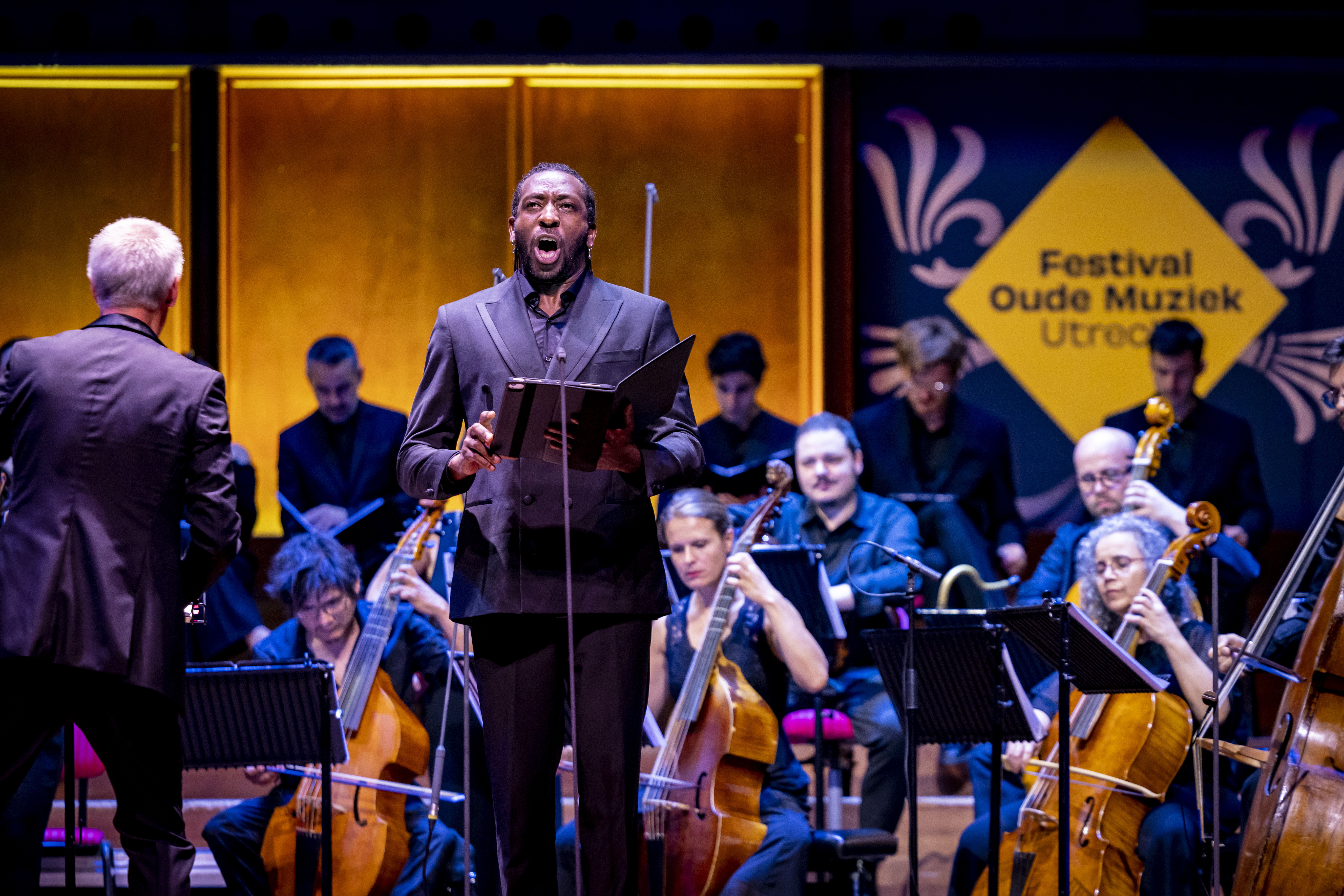
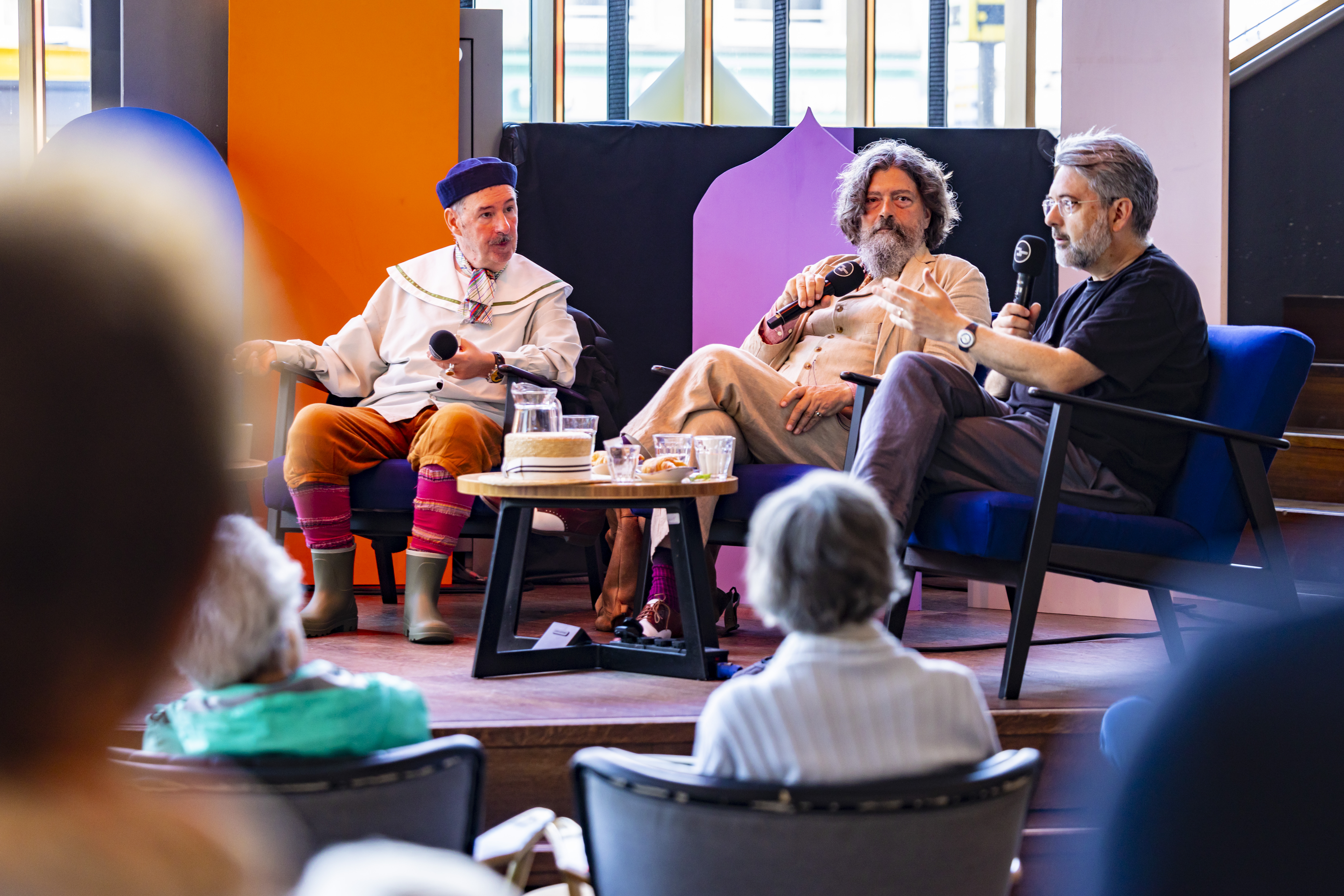
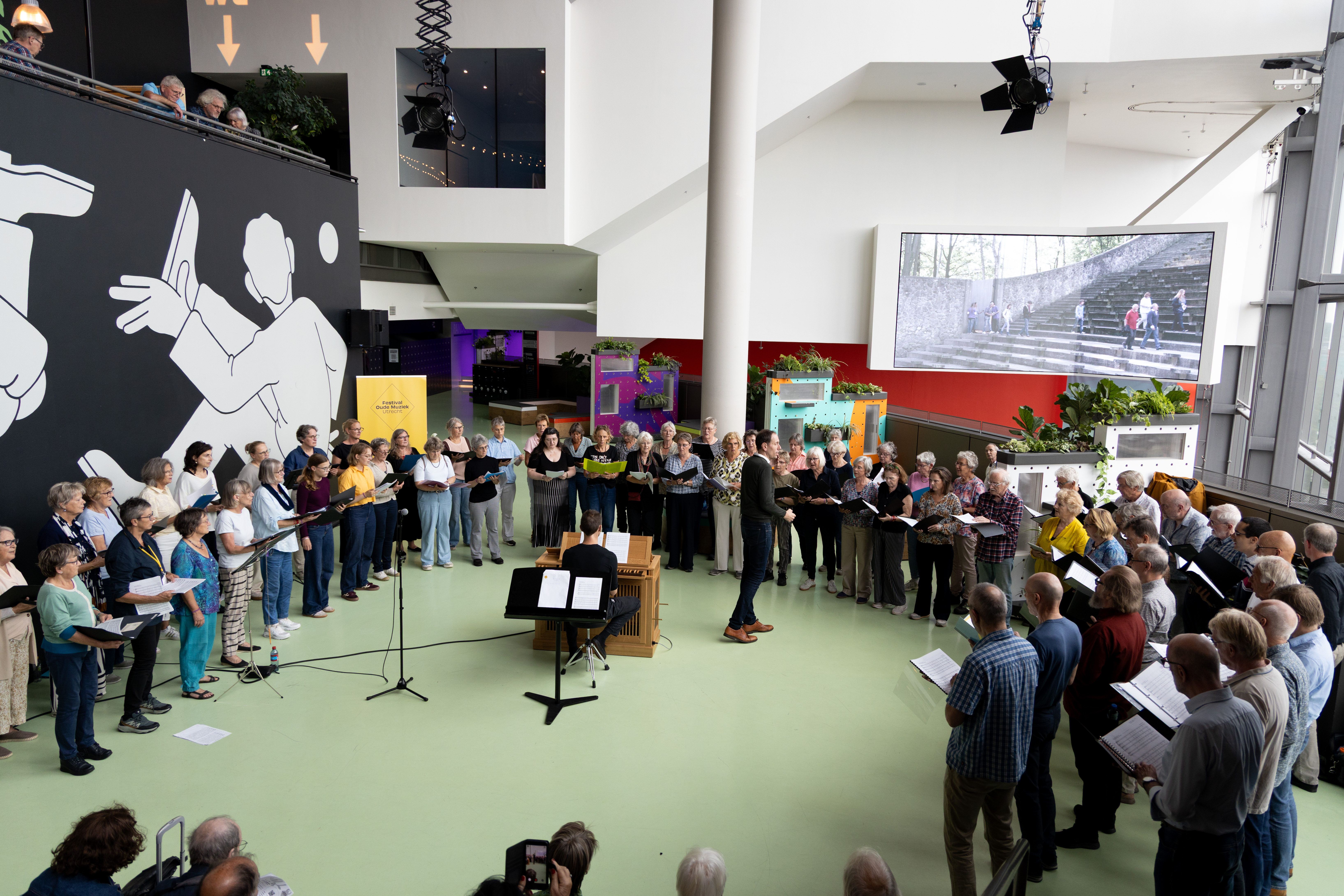
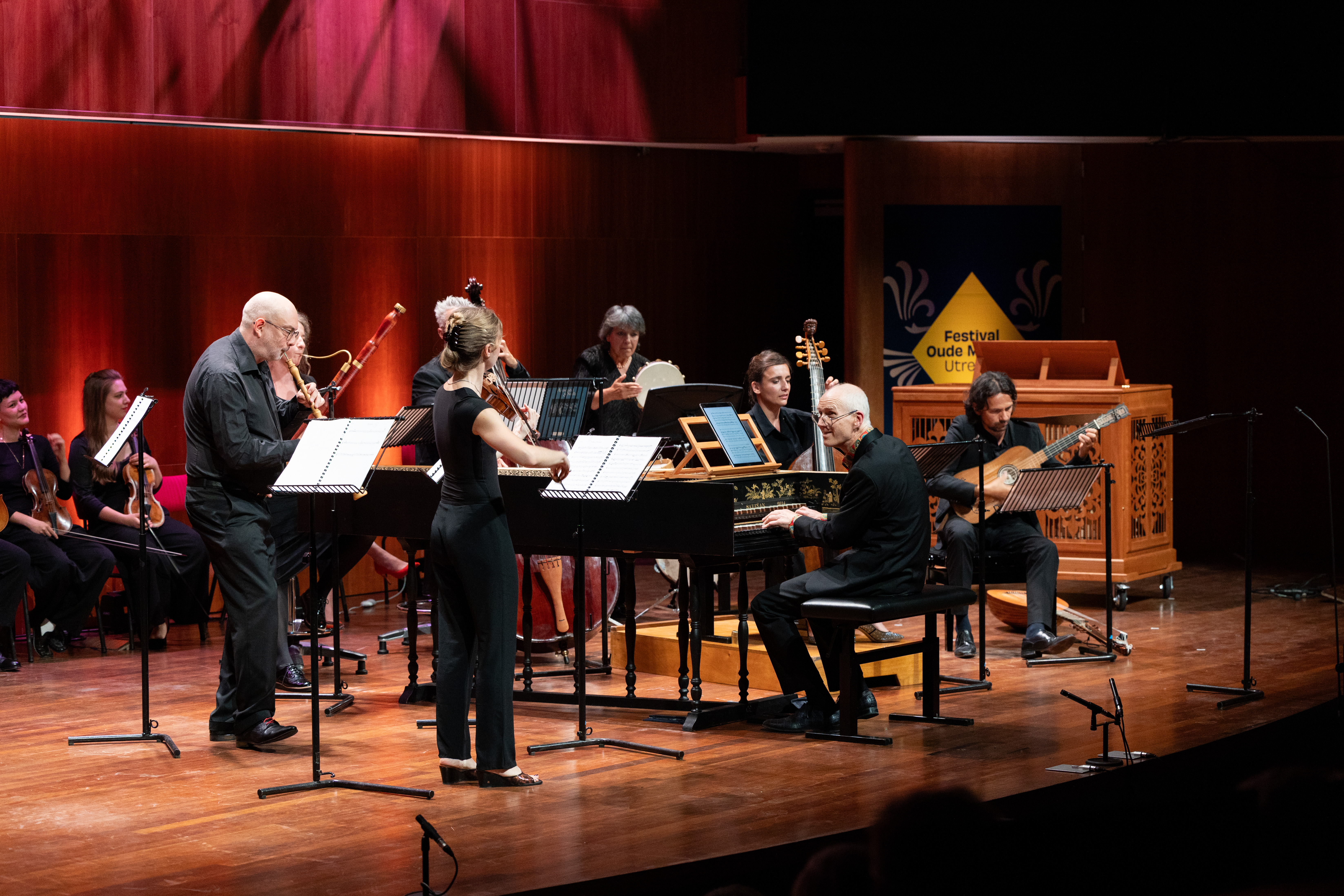
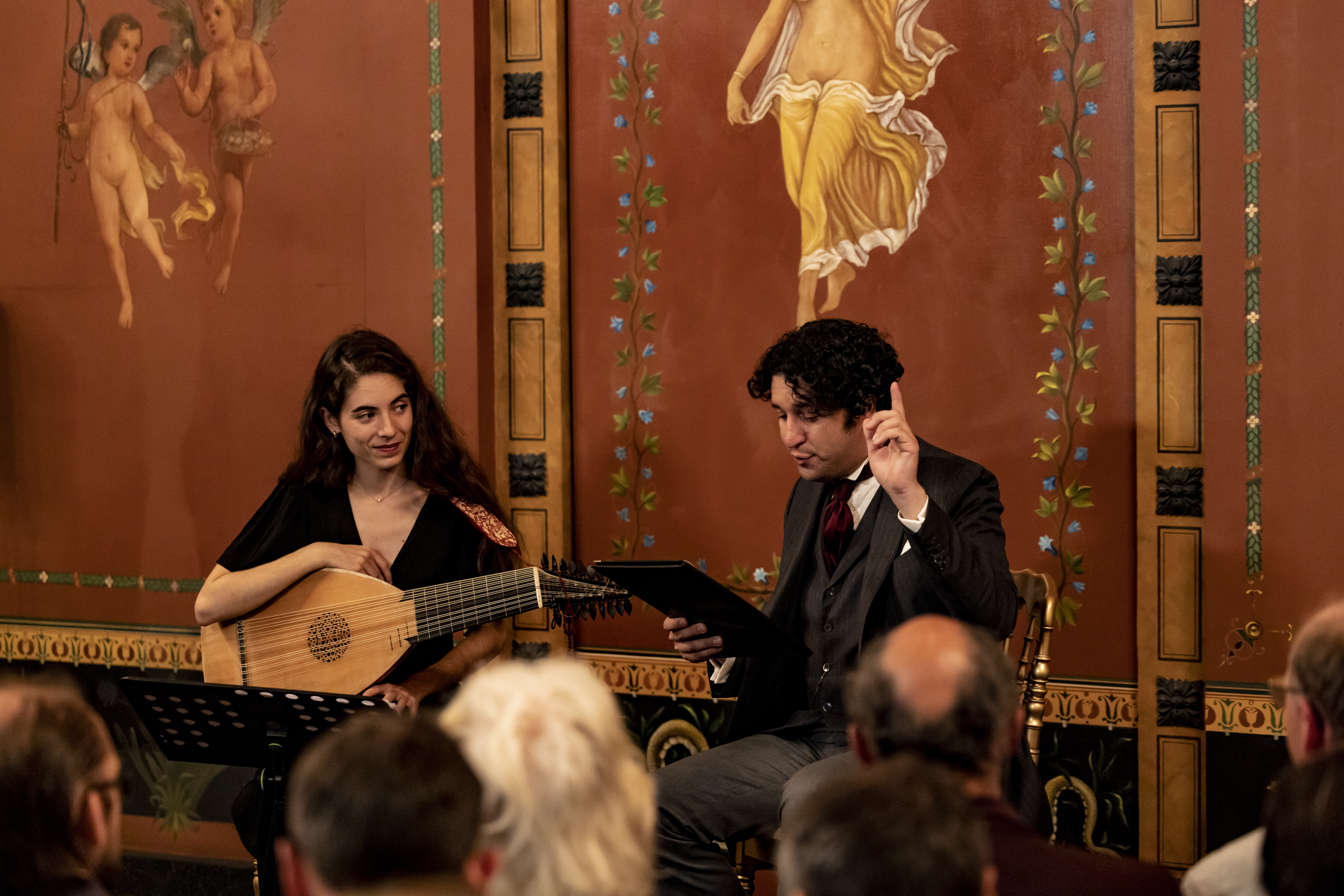
Before we turn our attention to today's programme, let’s take a moment to look back at yesterday: the first Early Music Breakfast Show, amateur singers demonstrating the power of singing together under the direction of Lionel Meunier, artist in residence Patrick Ayrton with his freshly baked Astrophil & Stella, the first Salon featuring Emma–Lisa Roux and Simon Mulder, Ensemble Correspondances and Campra’s Requiem… So much beauty. Luckily, we still have the footage!
The voice today...
What is a voice? A person who sings, an instrument that speaks, different voices coming together to form a single sound… A voice can take many forms. Inspired by the theme Giving Voice, each day in this morning bulletin we explore a different manifestation of the voice. Today, it is not the voice of a person, but of an instrument: the Boccalari harpsichord from 1699.
A harpsichord may not have vocal cords, but it certainly has a voice of its own. The maker, the wood used, the construction and the way the strings are plucked all contribute to the character of the instrument. The Boccalari was built by the Neapolitan master Giovanni Natale Boccalari. Its light construction and Mediterranean woods give the instrument a direct, warm and at the same time transparent sound, with plenty of room for nuance.
This makes it a particularly fascinating instrument for the harpsichord recitals at this festival. The Playing Byrd places the English composer William Byrd at the centre. His music is full of voices: melodies that intertwine, imitate and complement one another. On an instrument with a clear, quick response, these different lines can almost sound like individual singers. The Boccalari gives each of them their own space without losing the connection between them.
But an instrument is, of course, more than a means of producing notes. It helps determine how music sounds and how we listen to it. The combination of English music and an Italian harpsichord is therefore no coincidence. In their instrument building, the English virginalists drew considerable inspiration from refined Italian designs. Byrd’s music and the Boccalari’s sparkling, southern sound turn out to be a surprisingly good match.
The Boccalari speaks in several concerts. Today, Catalina Vicens brings Byrd and John Dowland together. Later in the festival, among others, Andrea Buccarella performs Byrd and Sweelinck, while Bertrand Cuiller places Byrd alongside the twentieth-century composer Ligeti. Each time, it is the same instrument, with its own voice.
And perhaps that is what makes listening to a historical instrument so special: you hear not only music from centuries ago, but also the way that music is given a new voice today. The Boccalari is not a neutral intermediary. It adds colour, breathes and speaks along. Curious to hear what that sounds like? Visit one of the harpsichord concerts – the Boccalari has plenty to say.
View the harpsichord concertsDiscover tomorrow’s talent
Looking for something new? Then the Fringe is the place to be. During the festival, young musicians from the Netherlands and abroad bring fresh ideas, surprising perspectives and, above all, plenty of musical energy to Utrecht.
The Fringe is the perfect place to discover musicians at the start of their careers. You’ll hear young artists experimenting with repertoire, styles and different ways of making music. Some names may already be familiar, while others are only just beginning to make their mark. That’s exactly what makes the Fringe so much fun: you never quite know what you’re going to discover.
So leave some room in your festival schedule, let yourself be surprised and drop into a Fringe concert. Who knows? In a few years, you might find yourself saying: I saw them at the Fringe in Utrecht.
View the Fringe scheduleMúsica Temprana
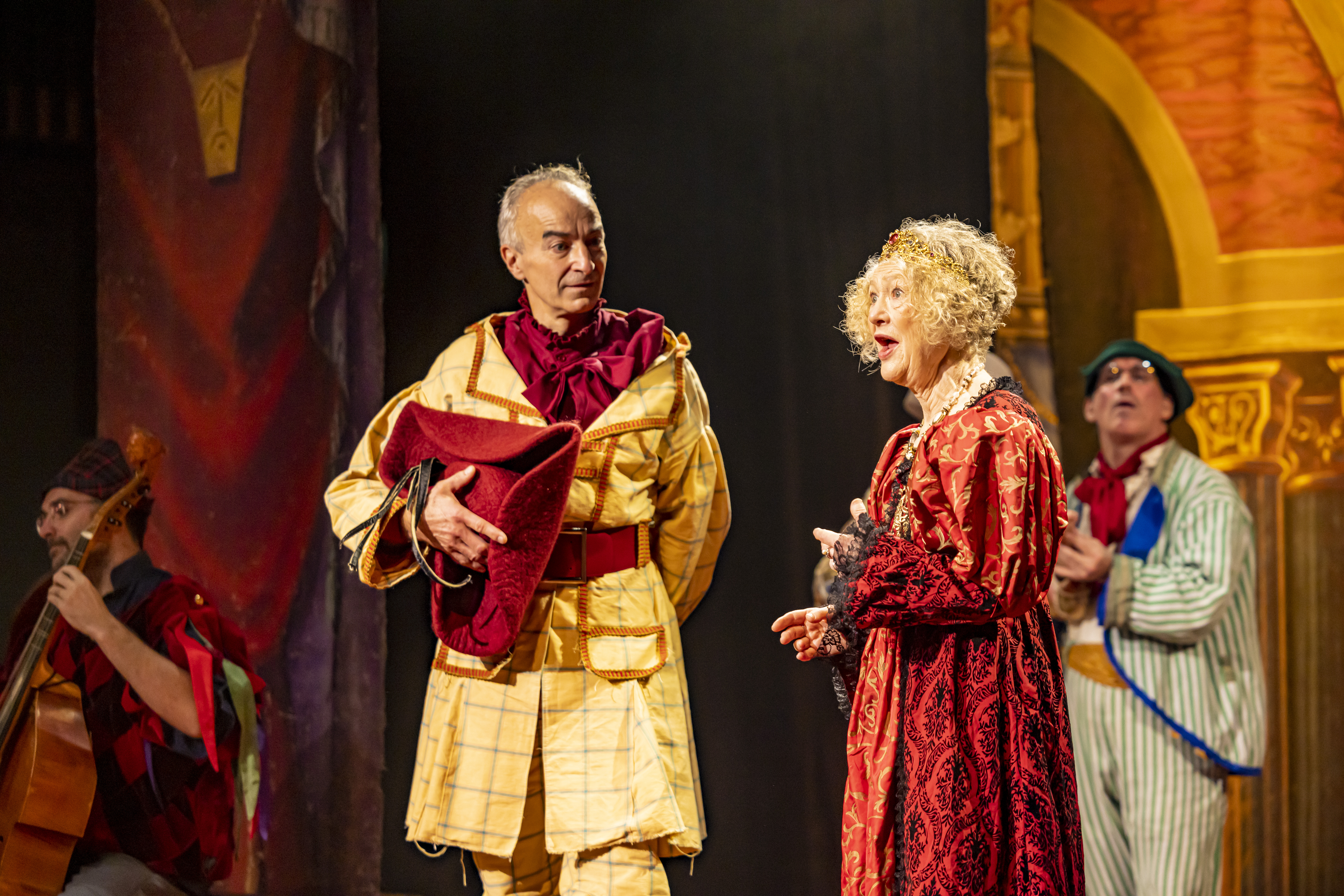
Speaking of Fringe discoveries... Did you know that Música Temprana also got its start in the Fringe programme? By now, they have been gracing the main stage for many years, and this year the ensemble is back once again. In Voices in Mirror Image, the musicians take you into the colourful world of villancicos de remedo: music from the Spanish-speaking world in which singers take on different characters and imitate one another. Shepherds, Roma and other characters come to life in music full of rhythm, humour and contrast.
But behind this playful form lies a complex history. The music emerged in the colonial world of Latin America, where European musical traditions mingled with local and African influences. Performer, poet and specialist in Latin American culture Nanne Timmer places these different voices in their historical context and reveals what lies behind the characters taken on by the singers.
Música Temprana and Nanne Timmer bring this remarkable music to life. A concert that's not only about music, but also raises questions about who is speaking, who is being imitated, and which voices have continued to resonate through the centuries.
Bell-ringing workshop
If you're already in the city centre this morning, listen carefully! Around 9:30, you might hear the results of our bell-ringing workshop on the Dom Tower, together with the Utrecht Guild of Bell Ringers!
Also on today's programme…
Improvisation and Italian Baroque with Lohmann & Frerichs, folk melodies on the violin, the film Tous les Matins du Monde, L'Arpeggiata, and more...
A festival at home
Not everyone has to travel to Utrecht this year to enjoy the Festival Oude Muziek. The voices of Giving Voice can also be heard at home: through Early Music Television, you can watch and listen to music from the Middle Ages, Renaissance and Baroque for ten days. From Huelgas Ensemble and La Tempête to L’Arpeggiata and Música Temprana, the voices of the festival are travelling far beyond the city of Utrecht.
Go to EMTVToday on EMTV
Tip
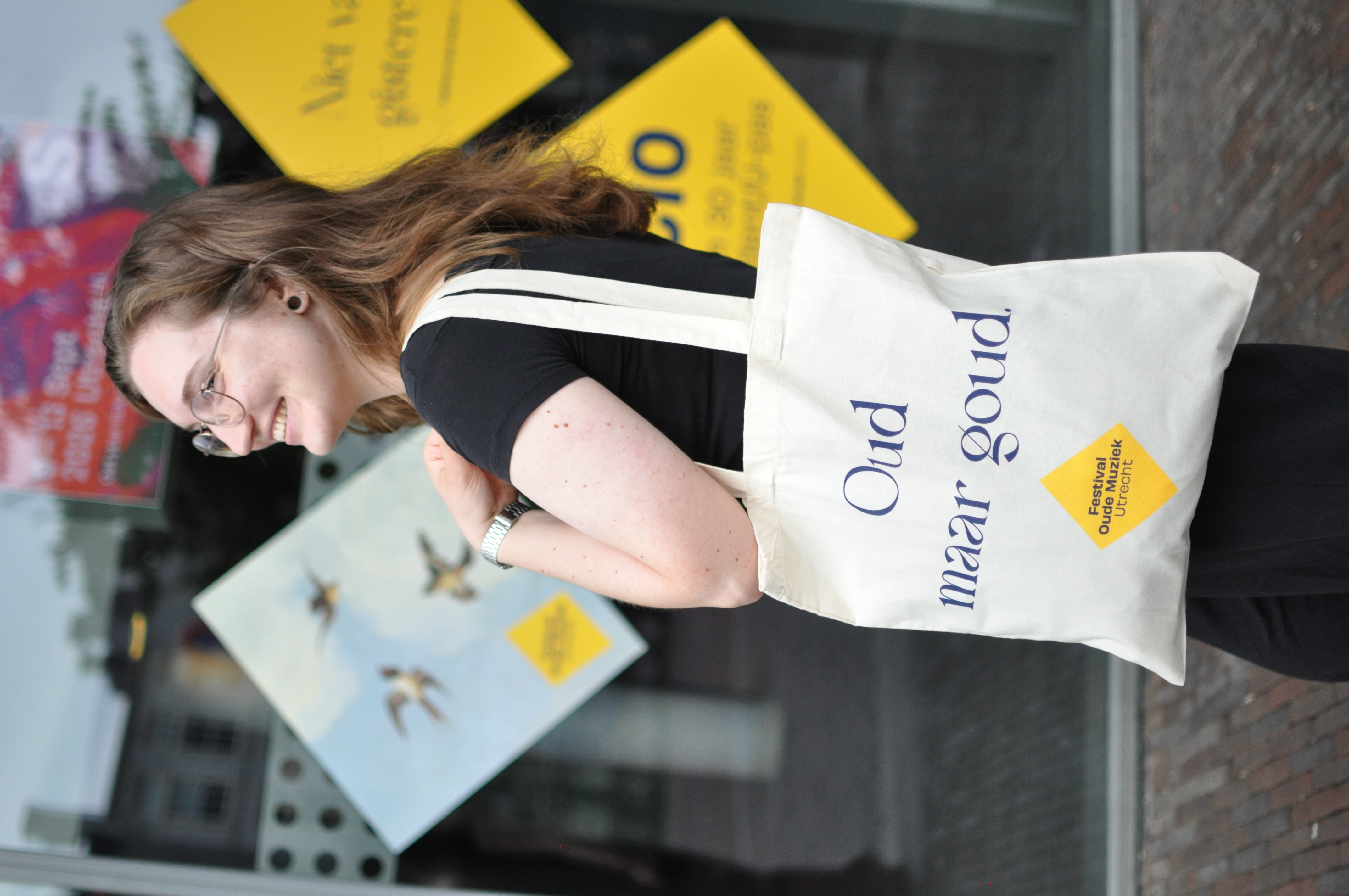
Still looking for the perfect bag to carry all your festival essentials? Drop by the festival centre at TivoliVredenburg and pick up one of our bags. They’re oud maar goud (old, but golden - just like early music) - and brand new at the same time! Perfect for your concert programme, sunglasses, water bottle and all the treasures you discover along the way.

We use cookies to ensure that we give you the best experience on our website. You can specify your preferences below. Read more in our privacy statement.
Functional cookies
These cookies ensure the proper functioning of the website (e.g. cookies for login or for remembering items in the shopping cart).
Analytical cookies
We use cookies for web analysis and optimization of the user experience on the website. Cookies are set in order to detect discrepancies on the site, such as broken links and accessibility errors, and to analyze how users use the site.
No results found.